Yield: 12 biscuits
Does Baking Soda Go Bad? Test It, Then Bake Biscuits
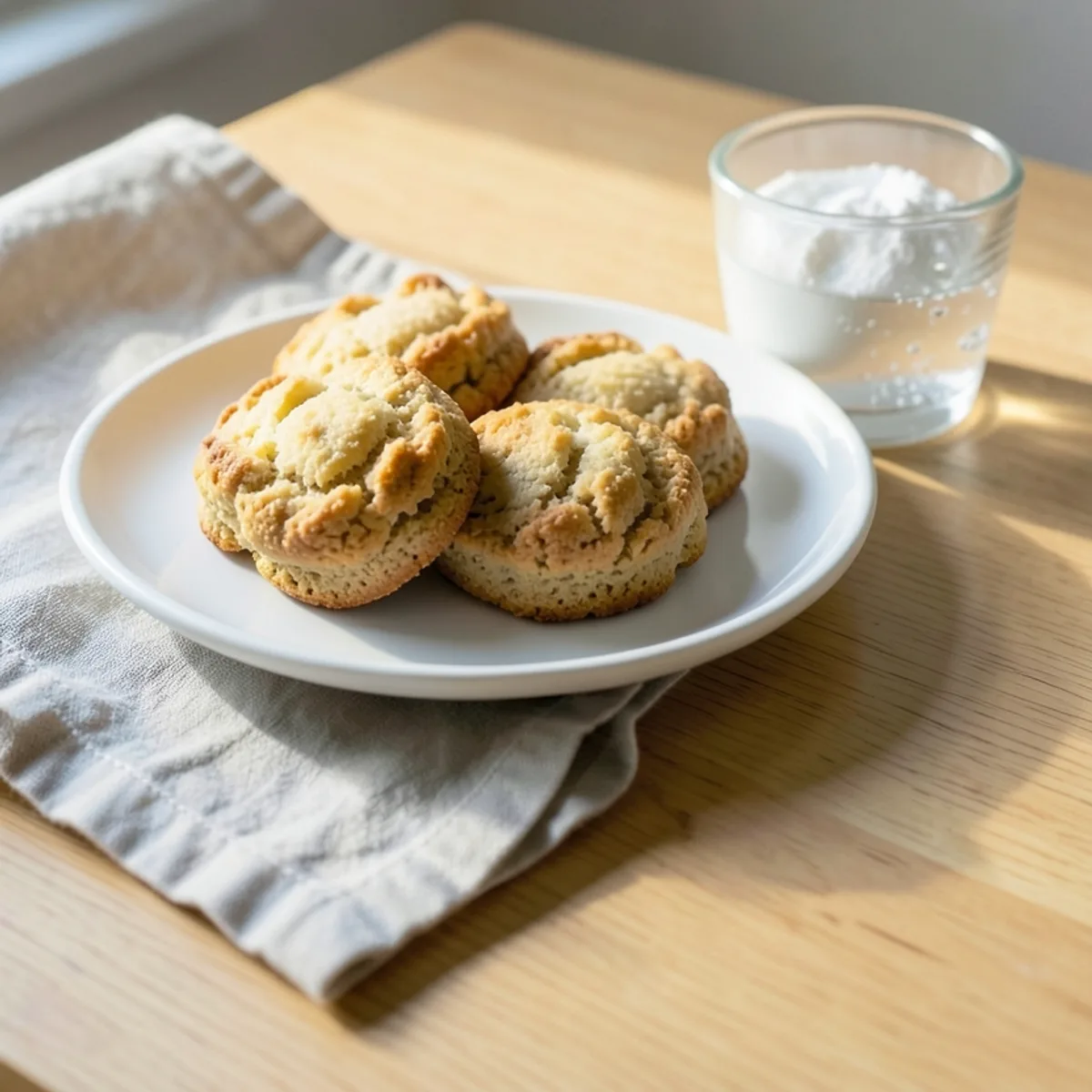
Baking soda doesn't spoil like milk, but it can lose its lift. Run the 1 tablespoon vinegar fizz test, see what Kansas State says about shelf life, then bake buttermilk drop biscuits.
Ingredients
Step 1: the fizz test (this sample is discarded)
- 1 tablespoon vinegar, 15 ml, standard conversion
- 1/2 teaspoon baking soda, food-grade and aluminum-free, 2.5 ml, standard conversion; measure the dough's soda separately
Buttermilk drop biscuits
- 2 cups unbleached all-purpose flour, 284 g (10 oz)
- 2 teaspoons baking powder, food-grade and aluminum-free, 10 ml, standard conversion
- 1 teaspoon sugar, 5 ml, standard conversion
- 3/4 teaspoon table salt, 3.75 ml, standard conversion
- 1/2 teaspoon baking soda, food-grade and aluminum-free, 2.5 ml, standard conversion; use only if it passed the fizz test
- 1 cup chilled buttermilk, 240 ml
- 8 tablespoons unsalted butter, melted, 113 g; for the dough
- 2 tablespoons unsalted butter, melted, 28 g; for brushing the baked biscuits
Instructions
Step 1: test the baking soda
- Run the vinegar fizz test. Pour 1 tablespoon of vinegar into a small glass and stir in 1/2 teaspoon of baking soda. It should fizz right away and vigorously. Gentle or minimal fizzing means replace the box before you bake.
Bake the biscuits
- Heat the oven. Heat the oven to 475 F (246 C) with a rack in the middle. Line a rimmed baking sheet with parchment.
- Whisk the dry ingredients. Whisk the flour, baking powder, sugar, salt and baking soda in a large bowl so the leaveners are spread evenly through the flour.
- Mix the buttermilk and butter. Stir the chilled buttermilk and the 8 tablespoons of melted butter together until small clumps form.
- Combine just until mixed. Stir the buttermilk mixture into the dry ingredients just until combined. Stop as soon as no dry flour shows.
- Scoop the biscuits. Drop level 1/4-cup portions of dough onto the sheet, 1 1/2 inches apart.
- Bake until golden. Bake for 12 to 14 minutes, until the biscuits are golden and crisp.
- Brush and cool. Brush the tops with the remaining 2 tablespoons of melted butter, then cool the biscuits for 5 minutes on a rack.
Notes
Credit: the biscuit method and quantities are adapted from America's Test Kitchen drop biscuits, as published by WNYC. The wording is ours.
The fizz test amounts (1 tablespoon vinegar, 1/2 teaspoon baking soda) come from King Arthur. The ml figures for spoons are standard conversions (1 tablespoon about 15 ml, 2 tablespoons about 30 ml, 1 teaspoon about 5 ml), not measured.
Times: the 12 to 14 minute bake and the 5-minute cool are the source recipe's. The 10-minute prep time is our estimate and includes the fizz test.
Yield: the source recipe makes 12 biscuits. The nutrition below is for one biscuit.
Nutrition values are estimates calculated from typical USDA FoodData Central values, with all-purpose flour, unsalted butter, lowfat cultured buttermilk, table salt and sodium aluminum sulfate baking powder. The spoon weights used are typical reference values, not from the source recipe.
Reheating: to refresh day-old biscuits, warm them in a 300 F (149 C) oven for 10 minutes, per the source recipe.
Nutrition Information: Serving size: one biscuit (1 of 12) (estimated)
Calories: 180Total Fat: 10gSaturated Fat: 6.2gSodium: 308mgCarbohydrates: 19.6gFiber: 0.6gSugar: 1.4gProtein: 3.2g
Cuisine: American / Category: Breads & Biscuits
https://www.sodarecipe.com/does-baking-soda-go-bad